The best Manuka honey for wound healing is MGO 400+ (UMF 13+). At this concentration, the methylglyoxal kills wound-infecting bacteria - including MRSA - while creating a moist environment that speeds up tissue regeneration. Manuka honey is used in hospitals worldwide for chronic wounds and burns, and medical-grade products have been FDA-approved for wound care since 2007.
This guide covers how Manuka honey heals wounds, which MGO level to use for different wound types, and step-by-step application methods. For a broader overview, visit our complete Manuka honey guide.
The MGO level matters because it determines antibacterial strength. Here's how Manuka honey heals wounds through multiple mechanisms:
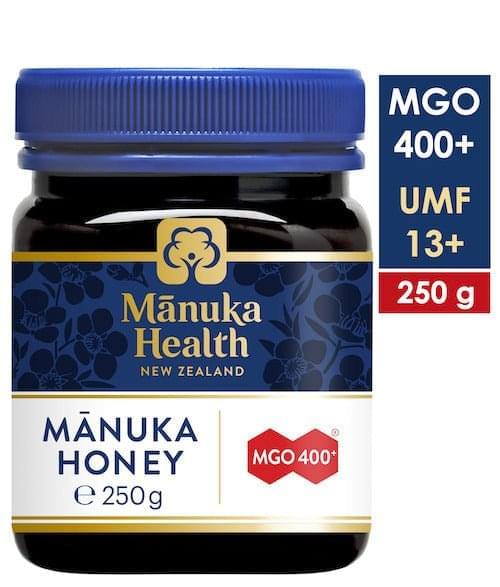
Manuka Honey MGO 400+ (UMF 13+)
High antibacterial potency for wound care, burn treatment and post-surgical healing. Manuka Health, 250g - certified from New Zealand.
Best Offer Manuka 400+ MGOThe high MGO concentration in Manuka honey directly kills wound-infecting bacteria, including antibiotic-resistant strains like MRSA (Methicillin-resistant Staphylococcus aureus), Pseudomonas aeruginosa, and Streptococcus pyogenes. Unlike antibiotics, bacteria cannot develop resistance to Manuka honey's complex antibacterial mechanism.
2. Osmotic Dehydration
Honey's high sugar content creates an osmotic effect that draws moisture from bacterial cells, effectively dehydrating and killing them. Simultaneously, it draws lymph fluid into the wound bed, which flushes debris and provides nutrients for tissue repair.
3. Acidic pH Environment
Manuka honey maintains a pH of 3.2-4.5 at the wound site. This acidic environment inhibits bacterial growth, stimulates macrophage activity (your immune cells), and promotes the release of oxygen from haemoglobin - all of which accelerate healing.
4. Moist Wound Healing
Honey creates an optimal moist environment that prevents the wound from drying out and forming a hard scab. This moist healing approach is clinically proven to result in faster healing, less scarring, and reduced pain during dressing changes.
Learn more about these properties in our benefits and properties section.
Which MGO Level for Wound Healing?
For Manuka honey wound healing, MGO 400+ (UMF 13+) is the recommended minimum. Here's a breakdown by wound type:
| Wound Type | Minimum MGO | Expected Healing Time |
|---|---|---|
| Minor cuts & scrapes | MGO 250+ | 3-5 days |
| Burns (1st & 2nd degree) | MGO 400+ | 1-3 weeks |
| Surgical wounds | MGO 400+ | 2-4 weeks |
| Diabetic ulcers | MGO 400-550+ | 4-8 weeks |
| Pressure sores | MGO 400+ | 4-8 weeks |
| MRSA-infected wounds | MGO 550+ | Variable (with medical care) |
Use our MGO calculator to convert between MGO and UMF ratings, and see our MGO & UMF guide for a complete breakdown of levels.
How to Apply Manuka Honey to Wounds
Method 1: Direct Application (Minor Wounds)
- Clean the wound gently with saline solution or clean water
- Pat the area dry with a sterile gauze
- Apply a thin layer (2-3mm) of Manuka honey MGO 400+ directly to the wound bed
- Cover with a sterile non-stick dressing (e.g., a Melolin pad)
- Secure with medical tape or a bandage
- Change the dressing every 24 hours or when saturated
Method 2: Honey-Soaked Dressing (Moderate Wounds)
- Apply honey to the dressing pad rather than directly to the wound - this distributes it more evenly
- Place the honey-soaked dressing over the wound
- Add a secondary absorbent dressing on top to prevent leakage
- Change every 24-48 hours
Method 3: Cavity Filling (Deep Wounds)
- For deep wounds or cavities, gently fill the wound bed with Manuka honey
- Use enough to fill the cavity but not overflow onto surrounding skin
- Cover with a non-stick dressing and secure
- Change dressing every 24 hours
- Important: Deep wounds should always be assessed by a healthcare professional
For more application methods, visit our how to use Manuka honey guide. Review contraindications before use.
Manuka Honey Used in Hospitals - Medical Grade vs Food Grade
| Feature | Medical Grade | Food Grade (MGO 400+) |
|---|---|---|
| Sterilisation | Gamma-irradiated (sterile) | Not sterilised |
| MGO level | Typically MGO 400-800+ | MGO 400+ |
| Use on open wounds | ✅ Yes (FDA-approved) | Minor cuts only |
| Cost | Higher (medical packaging) | More affordable |
| Best for | Surgical wounds, deep burns, hospital use | Minor cuts, abrasions, home care |
For home use on minor wounds, burns and abrasions, food-grade MGO 400+ Manuka honey is effective and safe. For open surgical wounds or serious injuries, consult your doctor about medical-grade options. See our comparisons section for more detailed product comparisons.
Scientific Evidence for Manuka Honey Wound Healing
Burns
A systematic review (Jull et al., Cochrane Database) found that honey-treated burns healed on average 4-5 days faster than conventional dressings, with lower infection rates and less scarring.
Chronic Ulcers
A 2015 study in the Journal of Wound Care showed that Manuka honey reduced wound size by 34% in 4 weeks in patients with chronic venous leg ulcers that had failed to respond to standard treatment.
MRSA
Research published in PLOS ONE demonstrated that Manuka honey at MGO 400+ concentrations killed 99.9% of MRSA bacteria within 24 hours in laboratory conditions - a result no single antibiotic could match.
Post-Surgical Healing
A randomised controlled trial found that surgical wounds treated with Manuka honey had significantly less inflammation and faster epithelialisation compared to standard silver-based dressings.
Frequently Asked Questions
What MGO level is best for wound healing?
MGO 400+ (UMF 13+) is the recommended minimum. This provides sufficient antibacterial activity to prevent infections and promote tissue regeneration. For MRSA or severe infections, MGO 550+ is preferable.
Is Manuka honey FDA approved for wound care?
Yes. Specific medical-grade Manuka honey products (like Medihoney) have been FDA-approved since 2007. These are gamma-irradiated for sterility. Food-grade MGO 400+ can be used for minor wounds at home.
How do you apply Manuka honey to a wound?
Clean the wound, apply a thin layer (2-3mm) of Manuka honey, cover with a sterile non-stick dressing, and change every 24-48 hours. For deep wounds, fill the cavity with honey before covering.
Can Manuka honey heal infected wounds?
Yes. Research shows effectiveness against MRSA, Pseudomonas, and Streptococcus. However, for serious infections, always combine with medical treatment prescribed by a doctor.
How long does Manuka honey take to heal a wound?
Minor cuts: 3-5 days. Burns: 1-3 weeks. Chronic ulcers: 4-8 weeks. Speed depends on wound severity, MGO level, and consistency of application.
Is Manuka honey used in hospitals?
Yes. Manuka honey is used in hospitals worldwide for chronic wound care, burn treatment, and post-surgical infections. Products like Medihoney are FDA-approved and routinely used in NHS hospitals (UK), Australian hospitals, and wound care clinics across Europe - especially for antibiotic-resistant infections like MRSA.
Start Healing with Manuka Honey
MGO 400+ is the science-backed choice for wound care at home. Clinically proven antibacterial action, natural wound healing - no prescription needed for minor injuries.